
Why Inclusive First Aid Matters (And Where to Start)

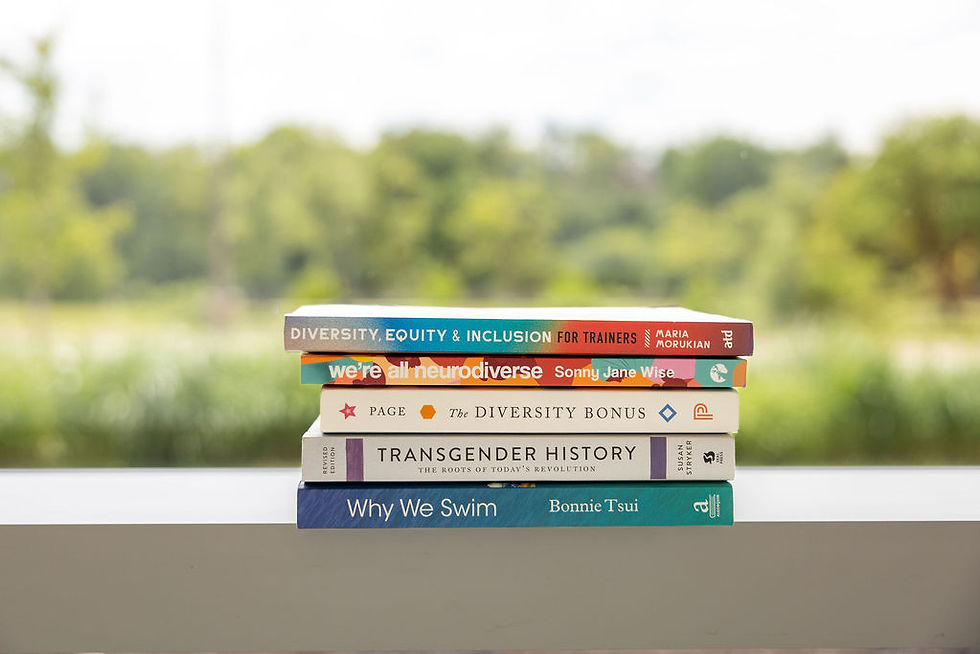
Part 1 of a 7-part series on inclusive first aid for aquatic professionals
When most aquatic professionals think about first aid training, they think about technique: proper hand placement for CPR, how to control bleeding, when to use an EpiPen. What's talked about far less often is how that technique gets delivered—and to whom.
The core premise of this series is simple but powerful: first aid isn't just a set of physical skills. It's an interaction between a responder and a person in a vulnerable moment, and that interaction is shaped by identity, culture, bias, and trust—whether we intend it to be or not.
Our Role in Reducing Health Care Bias & Harm
The responsibility of aquatic first responders can be framed around four connected ideas:
Education
Learn about categorical differences among underrepresented groups, and teach staff to notice differences and respond with flexibility instead of a one-size-fits-all approach.
Experience
Create positive response experiences in aquatic settings by building practices and policies that help staff learn about and respond to first aid emergencies well.
Expectation
Help shift what the public expects from responders and providers—creating fair, consistent practices that set a new benchmark for future interactions.
Evolving
Keep pushing best-practice care techniques forward, and stay committed to equity even during transfer of care and beyond.
Ground Rules Before You Dig In
Diversity, Equity, Inclusivity, and Belonging (DEIB) topics require personal and professional exploration, engagement, and effort. A few reminders are worth keeping in mind as you work through material like this:
Respectful exploration of concepts. You don't have to get everything right immediately. The goal is thoughtful engagement, not perfection.
Open collaboration and dialogue. These ideas land better in conversation than in isolation.
Malleable concepts, languages, and best practices. Terminology and norms shift over time. What's considered best practice today may evolve tomorrow, and that's expected.
A lens of layering concepts as appropriate. Not every consideration applies to every situation—use judgment about what's relevant.
Varying Norms: The Core Idea Behind This Whole Series
Everything in this series comes back to one sentence: differing experiences create differing reactions, which requires differing care.
A responder who only knows how to deliver first aid one way—one tone of voice, one assumption about who needs help and how—will inevitably under-serve some of the people they're trying to help. The goal isn't to memorize a rulebook for every identity group. It's to build the habit of noticing, asking, and adjusting.
What's Coming in This Series
Over the next several posts, we'll walk through specific categories of consideration that show up in real first aid response, drawn from real scenarios aquatic professionals encounter on deck:
Gender & sex
Mental health
Race & ethnicity
Ability & neurodiversity
Body difference
And we'll close with a practical post on training approaches—both the overt (scenario-based, DEI-specific) and subtle (embedded into everyday practice) ways to build these skills into your team.
Takeaways
Inclusive first aid isn't a separate skill set from "regular" first aid—it's the lens through which good first aid gets delivered.
Aquatic professionals have a role in shaping public expectations of care, not just responding to emergencies as they come.
These are evolving concepts. Staying curious and willing to update your practices is more valuable than getting every term perfect.
Next up: Gender & Sex Considerations in First Aid Response


